🎲 Welcome to the World of D&D Dice
In the mystical realm of Dungeons & Dragons, dice are more than simple random number generators—they're the arbiters of fate, the dealers of destiny, and the ultimate deciders of whether your character becomes a legendary hero or a cautionary tale told in taverns.
🎯 Perfect Your Rolls
Learn when to use each die type and master advantage/disadvantage mechanics.
⚔️ Combat Mastery
Understand attack rolls, damage calculations, and critical hit mechanics.
🧙♂️ Spellcasting Guide
Navigate spell attack rolls, saving throws, and spell damage dice.
🎲 The Polyhedral Pantheon
Each die in your arsenal serves a specific purpose. Here's your complete guide to the magnificent seven:
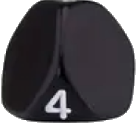
D4 - The Caltrop
Shape: Tetrahedron (4 triangular faces)
Nickname: "The Foot Destroyer"
💀 Common Uses:
- Weapons: Dagger damage, dart damage
- Spells: Magic Missile damage
- Hit Points: Wizard and Sorcerer hit points
- Healing: Basic healing spells
🎯 Pro Tips:
- Always check your carpet before walking barefoot
- Great for low-level characters and cantrips
- Often used for determining random directions (1=North, 2=East, etc.)
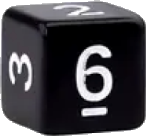
D6 - The Old Reliable
Shape: Cube (6 square faces)
Nickname: "The Workhorse"
⚔️ Common Uses:
- Weapons: Shortsword, scimitar, rapier damage
- Spells: Fireball, Lightning Bolt damage
- Abilities: Sneak Attack damage (multiple d6s)
- Creation: Ability score generation (4d6 drop lowest)
🎯 Pro Tips:
- Most versatile die in the game
- Used in almost every character creation method
- Key for Rogue sneak attacks and spell damage
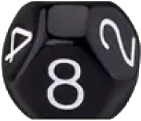
D8 - Double Pyramids
Shape: Octahedron (8 triangular faces)
Nickname: "The Balanced Blade"
⚔️ Common Uses:
- Weapons: Longsword, battleaxe, crossbow damage
- Hit Points: Cleric, Druid, Monk, Rogue hit points
- Spells: Moderate healing spells, some damage spells
- Cantrips: Sacred Flame, Toll the Dead
🎯 Pro Tips:
- Perfect for martial characters with versatile weapons
- Common for mid-tier healing and damage
- Essential for many cleric and druid abilities
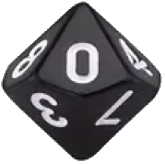
D10 - The Deca-Duelist
Shape: Pentagonal trapezohedron (10 kite-shaped faces)
Nickname: "The Percentage Partner"
🎯 Common Uses:
- Percentile: Two d10s make percentile rolls (d100)
- Weapons: Heavy crossbow damage
- Spells: Some high-level damage spells
- Tables: Random generation and effect tables
🎯 Pro Tips:
- Essential for Wild Magic Surge tables
- One die shows tens (00, 10, 20...), other shows ones
- Great for random treasure and encounter generation
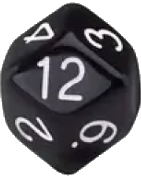
D12 - The Forgotten Champion
Shape: Dodecahedron (12 pentagonal faces)
Nickname: "The Barbarian's Best Friend"
💪 Common Uses:
- Weapons: Greataxe damage, some two-handed weapons
- Hit Points: Barbarian hit points
- Spells: Some high-damage spells and effects
- Time: Random month generation, hourly effects
🎯 Pro Tips:
- Most underused but satisfying die to roll
- Barbarians love this die for hit points and weapons
- Great for random calendar and time-based effects
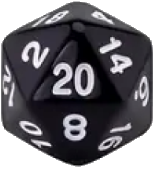
D20 - The Chosen One
Shape: Icosahedron (20 triangular faces)
Nickname: "The Heart of D&D"
👑 Sacred Uses:
- Attack Rolls: Every attack in combat
- Saving Throws: All saves against spells and effects
- Ability Checks: All skill checks and ability tests
- Death Saves: The ultimate life-or-death rolls
🎯 Sacred Knowledge:
- Natural 20: Automatic success, critical hit
- Natural 1: Automatic failure, critical miss
- Advantage: Roll twice, take the higher
- Disadvantage: Roll twice, take the lower
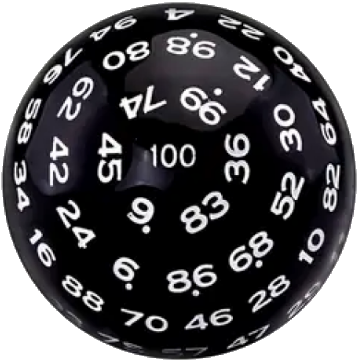
D100 - The Orb of Uncertainty
Shape: Zocchihedron (100 faces) or two d10s
Nickname: "The Chaos Generator"
🌟 Mystical Uses:
- Wild Magic: Wild Magic Surge table
- Treasure: Random magic item generation
- Encounters: Massive random encounter tables
- Effects: Percentage-based magical effects
🎯 Pro Tips:
- Most people use two d10s instead of physical d100
- One d10 is "tens" digit, other is "ones" digit
- 00 + 0 = 100, not 0!
⚔️ Essential Rolling Mechanics
🎯 Attack Rolls
Formula: 1d20 + Proficiency Bonus + Ability Modifier
- Compare to target's Armor Class (AC)
- Natural 20 = Critical Hit (double damage dice)
- Natural 1 = Critical Miss (automatic failure)
🛡️ Saving Throws
Formula: 1d20 + Ability Modifier + (Proficiency if proficient)
- Meet or exceed the Difficulty Class (DC)
- Success usually means half damage or no effect
- Failure means full damage or full effect
🎲 Advantage & Disadvantage
Advantage: Roll 2d20, take the higher result
Disadvantage: Roll 2d20, take the lower result
- They cancel each other out
- Multiple sources don't stack
- Only applies to d20 rolls
💀 Death Saving Throws
When Unconscious: Roll 1d20 at start of turn
- 10+ = Success (need 3 to stabilize)
- 9 or lower = Failure (3 means death)
- Natural 20 = Regain 1 hit point
- Natural 1 = Counts as 2 failures
🧙♂️ Character Creation Rolls
📊 Standard Array
Use these pre-determined scores: 15, 14, 13, 12, 10, 8
Pro: Balanced and predictable
Con: No excitement of rolling
🎲 4d6 Drop Lowest
Roll 4d6, drop the lowest die, repeat 6 times
Pro: Exciting and generally better than average
Con: Can create very unbalanced characters
💰 Point Buy
Start with 8s, spend 27 points to improve abilities
Pro: Complete control over character build
Con: Less random, more mechanical
⚠️ Common Rolling Mistakes
❌ Adding Proficiency to Damage
Proficiency bonus only applies to attack rolls, not damage rolls.
Correct: Damage = Weapon die + Ability modifier
❌ Rolling Advantage Wrong
Some players add the dice together. That's wrong!
Correct: Roll 2d20, use only the higher single result
❌ Forgetting Modifiers
Always add your ability modifier to damage rolls.
Remember: Strength for melee, Dexterity for ranged
❌ Critical Hit Confusion
Only double the weapon/spell dice, not the modifiers.
Example: 2d8+3 becomes 4d8+3, not 2×(2d8+3)
📋 Quick Reference Tables
🎯 Difficulty Classes
| Task | DC |
|---|---|
| Very Easy | 5 |
| Easy | 10 |
| Medium | 15 |
| Hard | 20 |
| Very Hard | 25 |
| Nearly Impossible | 30 |
💖 Hit Points by Class
| Class | Hit Die |
|---|---|
| Barbarian | d12 |
| Fighter, Paladin, Ranger | d10 |
| Bard, Cleric, Druid, Monk, Rogue, Warlock | d8 |
| Sorcerer, Wizard | d6 |
⚔️ Common Weapon Damage
| Weapon | Damage |
|---|---|
| Dagger, Dart | 1d4 |
| Shortsword, Scimitar | 1d6 |
| Longsword, Battleaxe | 1d8 |
| Greataxe | 1d12 |
| Greatsword | 2d6 |